Washed Sand: The Coarse Clean Grade on a New York Site
Keep Washed Sand separate from surrounding soil on New York concrete, trench, and leveling jobs, especially through wet and freezing seasons.
- Size: Coarse-grained
- Grading: Washed; free of clay, silt and organic debris
From $613 for 1 ton, delivery included (larger loads cost significantly less per ton)
Free delivery included
Free delivery anywhere in New York
Pick a delivery date
Weekday delivery, earliest Oct 30
“My order with New York Rock Supply was simple and straightforward. The quality of the washed sand was just what I was looking for. The order was easy to arrange, and I am pleased with the outcome.”
Frank H. · Verified Buyer
Get a Free Quote
Fill out the form and our sales team will get back to you within the hour.
Size and Grading
- Size
- Coarse-grained
- Grading
- Washed; free of clay, silt and organic debris
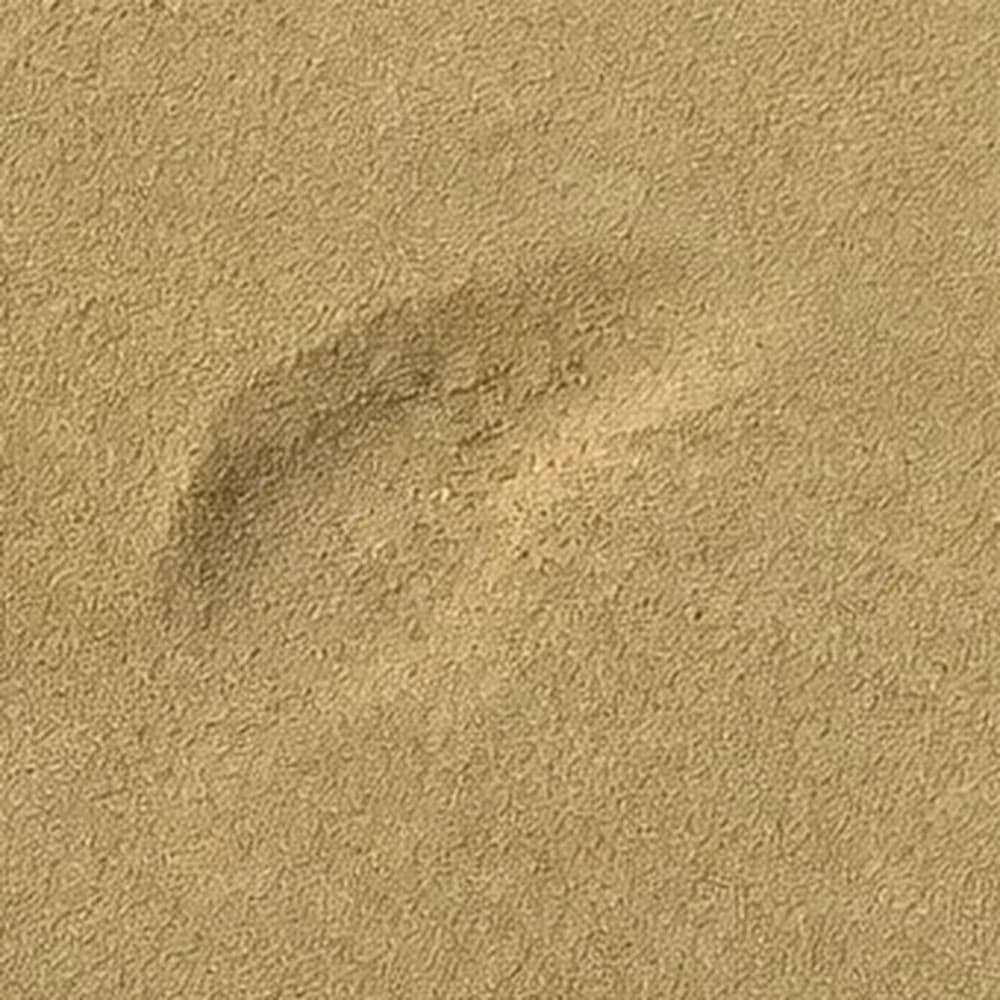
Two sand piles sitting side by side on a Westchester job look close to identical from the cab and separate the moment you rub a handful of each between your fingers. The finer one is mason sand, soft and even, made for mortar joints and bedding. Washed sand is the coarse one. The grains have edges you can feel, the pile drains as you walk on it, and what has been taken out of it matters as much as what is left: clay, silt and organic debris, all removed by washing, which is why it can go into concrete and into a trench where a finer, dirtier sand would cause trouble.
Grain by grain: what washed sand brings to a job
Two specifications carry it. The size is coarse-grained. The grading is washed, free of clay, silt and organic debris.
Coarse means the grains bear against each other rather than sliding, so a layer of it holds a screeded shape and takes a load better than a fine sand. Washed means the fines that would otherwise hold water, swell and shrink, or feed organic breakdown have gone. That is why a concrete mix wants this grade: clay coating the aggregate is what weakens a mix, and silt in the sand throws the water demand out.
The same cleanliness is the reason it belongs against a drain or a pipe. Put dirty sand around a perforated line and the fines travel into the voids of the stone; put washed sand there and the water carries far less with it.
For weight, this site's calculator pages put the sand family at roughly 2,700 pounds per cubic yard, near 1.35 tons per yard. Treat it as approximate, because sand that has sat in the rain runs heavier than the same sand in a dry week.
Four jobs, four depths, side by side
| Job | Typical depth | What it depends on |
|---|---|---|
| Concrete and mortar mixing | by the mix design | The design, not a depth figure |
| Pipe or cable bedding | 4 to 6 in under the barrel | Trench width and the pipe size |
| Leveling and grading before construction | 2 to 4 in | How far out of grade the ground is |
| Backfill around foundations and posts | to the design | Placed in lifts, not one dump |
The pipe bedding row is the one worth expanding. Sand flows into the confined space around a utility line in a way stone cannot, it surrounds the pipe evenly, and it will not scar a coating the way an angular aggregate can. That combination is why so much of this material leaves here on trench work.
Rain, thaw and the spoil pile on an upstate excavation
Keeping the sand clean after it arrives is a New York problem more than a specification problem.
Excavation here often opens ground that holds water. The silt and clay valley floors along the Hudson and the Mohawk drain slowly and stay wet after a storm. The flat lake plains inland from Lake Ontario do the same, and upland till in the Catskills and the Southern Tier keeps rain near the surface on a dense subsoil. Spoil from a trench cut in that ground is wet, sticky and full of exactly the fines that were washed out of your sand.
So keep the two apart. Tip the sand on a hard surface or on boards, not on the spoil side of the trench, and work from the clean side. A load that has been walked through mud, or has had wet clay shoveled across it, is no longer the material you paid for.
Frost is the other factor. The ground goes down to roughly four feet across much of the state, with the local building department setting the figure for footings, so any bedding or leveling layer near the surface is going to freeze and thaw with everything around it. Clean, coarse, free-draining sand handles that cycle far better than a fine sand holding water.
A dog run is the one job on this page it will lose
Sand seems like an obvious surface for a side-yard dog run and it rarely survives one. Dogs dig, and a loose coarse sand digs beautifully. It tracks indoors on wet paws, it holds mess, and it drains straight into whatever is underneath rather than being washable.
A dog run wants a surface that stays put and rinses. Pea gravel is the softer-edged option and driveway gravel the harder-wearing one, both over a compacted base. Save the sand for the bedding layer under a paver run if that is how the run is finished.
Sand for an 8 by 8 hot tub pad, an apron and a trench
Hypothetical jobs, with the arithmetic shown.
Leveling course under a hot tub pad, 8 by 8 ft, 4 in
- 8 x 8 = 64 sq ft
- 64 x 4 / 12 = 21.3 cu ft
- 21.3 / 27 = 0.79 cu yd
Bedding under a paved turnaround apron, 12 by 14 ft, 1 in
- 12 x 14 = 168 sq ft
- 168 x 1 / 12 = 14 cu ft
- 14 / 27 = 0.52 cu yd
Pipe bedding, 2 ft wide by 60 ft, 6 in
- 2 x 60 = 120 sq ft
- 120 x 6 / 12 = 60 cu ft
- 60 / 27 = 2.22 cu yd
Add the three: 3.53 cubic yards, which at about 1.35 tons per yard is near 4.8 tons. Order 5 and keep the remainder for the inevitable low spot. The sand calculator runs the same sums, and the paver sand calculator handles a bedding course on its own.
Tipping a sand load where the weather will not take it
Sand is the material most easily ruined between the truck and the job. Rain moves it, wind dries the top of it, and a pile left on grass migrates into the grass.
Pick a firm, flat spot with something under it if you can, well clear of any drain or gully, because sand washing into a catch basin is a problem you fix twice. If the load has to sit through a wet stretch, cover it. Leave room for the tipper to raise a body and back out cleanly, and keep the route in free of low branches.
Delivery is arranged at checkout from your ZIP code and the driver needs clear access to a firm dump spot. When your tonnage is settled, set the quantity and a date on the product page.
Quickly Calculate How Much You Need
Material: Washed Sand
How to Measure
Measure the length and width of your project area in feet
Decide on depth in inches (2" for landscaping, 4" for driveways)
Enter the values above and we'll calculate the tonnage you need
Need help figuring out the right amount? We can help!
Call or text us at (516) 914-4265 and we'll help you calculate the right quantity for your project.
Not sure how much you need? The Sand Calculator has depth guides, coverage charts and worked examples for this material.
Frequently Asked Questions About Washed Sand
Customer Reviews
Project Turned Out Great
Everything went smoothly with my order from New York Rock Supply. The washed sand made a noticeable improvement to the finished project. Communication was clear, and I would gladly order again.
Tom A. · Buffalo, NY · Verified Buyer
Ordered washed sand from this company, ordering was quick and I'm really happy with how everything turned out.
Michelle A. · Rochester, NY · Verified Buyer
Ordered washed sand from this company and it was clean and consistent. The driver was friendly and careful about where he placed it, really happy with the whole thing.
Nate F. · Syracuse, NY · Verified Buyer
Happy With My Order
My order with New York Rock Supply was simple and straightforward. The quality of the washed sand was just what I was looking for. The order was easy to arrange, and I am pleased with the outcome.
Frank H. · Syracuse, NY · Verified Buyer
Washed Sand has 4 verified customer reviews with an average rating of 4.8 out of 5.