Mason Sand in New York: Bedding Pavers, Mortar and Play Sand
New York freeze-thaw weather calls for careful paver preparation, while Mason Sand handles smooth mortar, grout, and recreation surfaces.
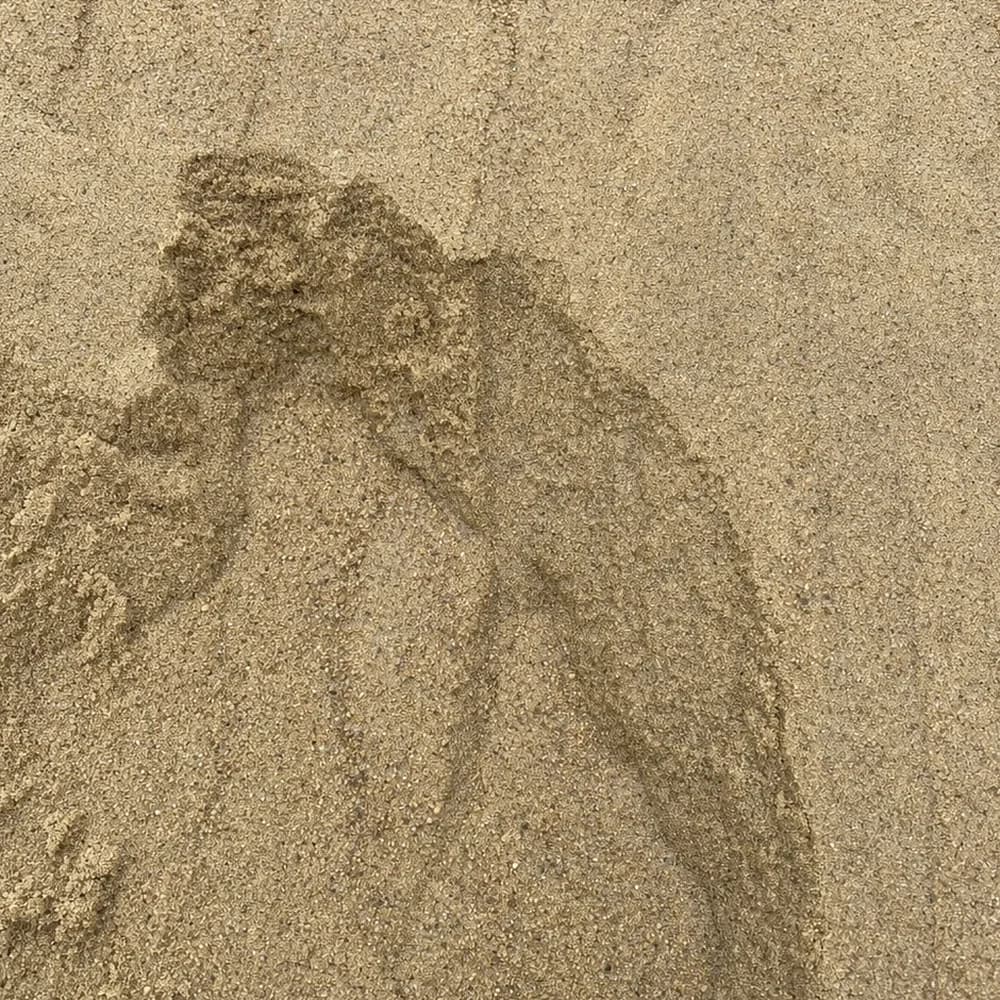
- Size: Ultra-fine, consistent grain size
- Grading: Washed to remove clay, silt and organic impurities
From $468 for 1 ton, delivery included (larger loads cost significantly less per ton)
Free delivery included
Free delivery anywhere in New York
Pick a delivery date
Weekday delivery, earliest Oct 30
“Grabbed mason sand from this company and it was exactly what I needed. Delivery came exactly when expected, so I'm really happy with the whole thing.”
Stephanie S. · Verified Buyer
Get a Free Quote
Fill out the form and our sales team will get back to you within the hour.
Size and Grading
- Size
- Ultra-fine, consistent grain size
- Grading
- Washed to remove clay, silt and organic impurities
A paver patio is what mason sand gets ordered for more than anything else in New York, and that is seasonal work: the patio goes in once the frost is out of the Hudson Valley clay and the ground will take a compactor, and it has to be finished before the same ground starts closing up in the autumn. The material is ultra-fine with a consistent grain size, washed to remove clay, silt and organic impurities.
Why does a Hudson Valley paver job start with a sand order?
Because the sand is the layer that takes up the difference between a compacted base and the individual paver. A base course, however well rolled, is never flat to the millimeter, and pavers vary slightly in thickness. A thin screeded sand bed absorbs both, so every unit sits level and carries load through its full face instead of rocking on a high spot.
It is a setting layer, not a structural one. On ground that freezes and thaws as hard as it does upstate, the movement is resisted by the compacted base below and by the edge restraint around the outside. Ask the sand to do that job and the patio will tell you about it in the spring.
What does washing take out, and why does that matter on a wet spring site?
Washing removes clay, silt and organic material. Clay is the one that matters most here. A sand with clay in it swells when wet and shrinks when dry, which on a valley floor site that stays saturated into May is a recipe for a bed that moves under the pavers. Organic material is the other: it breaks down over time and leaves voids behind.
In mortar the same cleanliness governs how the mix behaves. A consistent, washed grain gives a mortar that spreads evenly and keeps its workability, which is why this sand goes into block work, repointing and stucco as readily as it goes under pavers. For play areas, washing is what makes it soft to handle rather than dusty.
Where does Mason Sand sit in a patio build, and what sits under it?
From the bottom up: prepared subgrade, then a compacted base of Item 4 or crusher run, then the screeded sand bed, then the pavers, then joint filling and a final compaction pass.
The base is the part that people cut short. On stony glacial till upstate and on the lake-plain clays, plan the base for the ground you have rather than for the ground you wish you had, and put a separation fabric under it where the subsoil is soft. On Long Island's sandy outwash, drainage is rarely the problem and the base can often be shallower.
For joints, this sand can be swept in and vibrated down. Stone dust is the other New York answer for both bedding and joints; it is a screening rather than a washed sand, so it locks up harder and drains more slowly.
Can it hold a dry creek bed and a fire pit surround?
Partly, and the distinction is worth getting right. In a dry creek bed, mason sand is not the visible material. The stone people came to look at is river rock, and the sand goes underneath as a thin leveling course over fabric so the rock beds down and stops rolling. In a channel that actually carries fast water after a storm, sand underneath will wash out, and the bed wants a coarser base.
A fire pit surround is the more reliable use. A ring of pavers or flagstone set on a sand bed over a compacted base gives a level, non-combustible collar around the fire, and the sand makes small adjustments easy. Keep the sand itself out from under the fire, and do not put it in the pit.
How much sand does a 14 by 16 patio and a 6 foot fire circle take?
Illustrations with invented dimensions. A bedding course is thin, so small differences in depth change the order more than people expect.
Paver patio, 14 by 16 ft, 1 in screeded bed
- 14 x 16 = 224 sq ft
- 224 x 1 / 12 = 18.7 cu ft
- 18.7 / 27 = 0.7 cu yd
Fire pit collar, a 6 ft circle, 2 in of sand
- 3.14 x 3 x 3 = 28.3 sq ft
- 28.3 x 2 / 12 = 4.7 cu ft
- 4.7 / 27 = 0.2 cu yd
Dry creek leveling course, 25 by 3 ft, 2 in
- 25 x 3 = 75 sq ft
- 75 x 2 / 12 = 12.5 cu ft
- 12.5 / 27 = 0.5 cu yd
That is about 1.4 cubic yards across the three, plus something extra for joint filling and screed losses. This site publishes mason and washed sand at roughly 2,700 pounds per cubic yard, about 1.35 tons per yard, so 1.4 x 1.35 is approximately 1.9 tons, and the weight should be treated as approximate because wet sand runs heavier. The paver sand calculator converts these volumes into the tonnage the product page sells by, and the sand calculator covers the wider sand range.
What has to be ready before the load is tipped?
Sand is the one material where the drop spot really decides the day. It flows, it takes up wind, and once it is wet it is heavy. Put a tarp down, choose a spot out of the path of runoff, and have a second tarp to cover the pile if rain is forecast, because saturated sand will not screed.
Work out the base first and order it for an earlier date, so the sand is not sitting in the weather while you build the layer underneath it. Delivery is arranged at checkout by ZIP code, and the truck needs a clear route and a firm place to tip. If the route in is tight, describe it through the contact page before New York Rock Supply books the date.
Quickly Calculate How Much You Need
Material: Mason Sand
How to Measure
Measure the length and width of your project area in feet
Decide on depth in inches (2" for landscaping, 4" for driveways)
Enter the values above and we'll calculate the tonnage you need
Need help figuring out the right amount? We can help!
Call or text us at (516) 914-4265 and we'll help you calculate the right quantity for your project.
Not sure how much you need? The Sand Calculator has depth guides, coverage charts and worked examples for this material.
Frequently Asked Questions About Mason Sand
Customer Reviews
Ordered mason sand from the team and everything showed up right when they said it would. Free delivery was a nice bonus, and the mason sand was exactly what I needed. I'd definitely order again and recommend them to anyone nearby.
Ryan I. · Buffalo, NY · Verified Buyer
Decided on mason sand from these guys and I'm really happy with how it turned out. Free delivery was a big plus, and I'd definitely order again and recommend them.
Bill E. · Yonkers, NY · Verified Buyer
Went with the team for mason sand and I'm really happy I did. They kept me updated the whole time and delivery was right on point. The mason sand was clean and exactly what I needed.
Diane L. · New York City, NY · Verified Buyer
Ordered mason sand from this company, and the driver was friendly, careful about where he placed it, and everything went great.
Laura B. · Buffalo, NY · Verified Buyer
Grabbed mason sand from this company and it was exactly what I needed. Delivery came exactly when expected, so I'm really happy with the whole thing.
Stephanie S. · New York City, NY · Verified Buyer
Clean and workable sand
The sand mixed smoothly for a small repair job. It was clean and easy to work into the mortar. I was pleased with how well it fit the project at my home in Yonkers, NY.
Alex R. · Yonkers, NY · Verified Buyer
Mason Sand has 6 verified customer reviews with an average rating of 5 out of 5.