Stone Dust: Setting Pavers and Packing Paths in New York
Also sold as #10 Stone Screenings
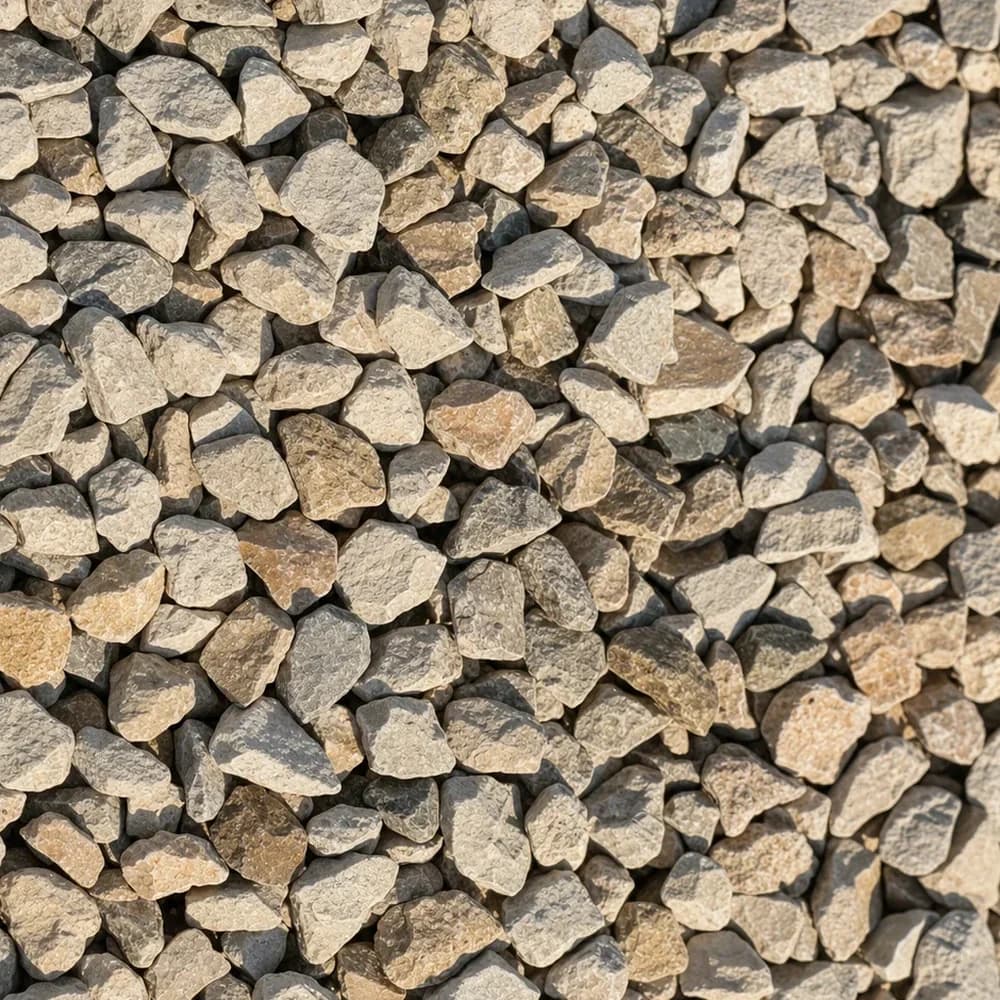
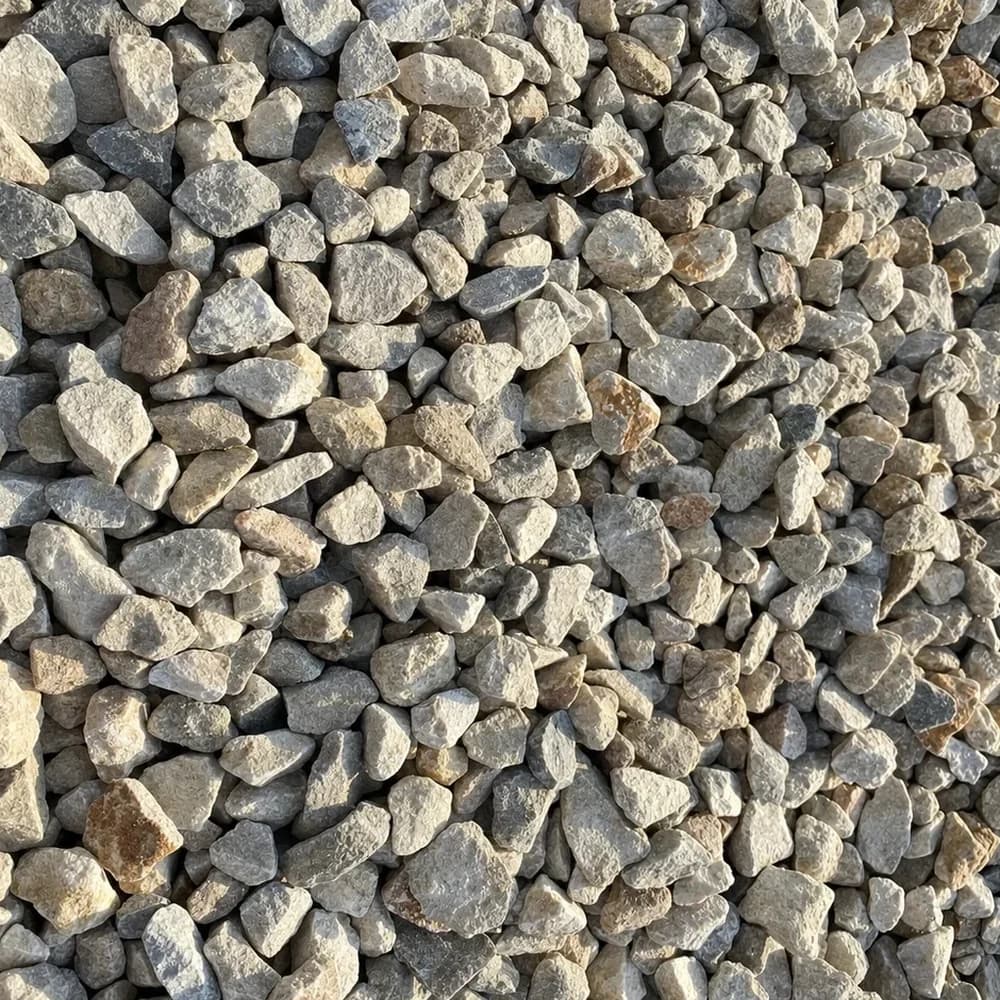
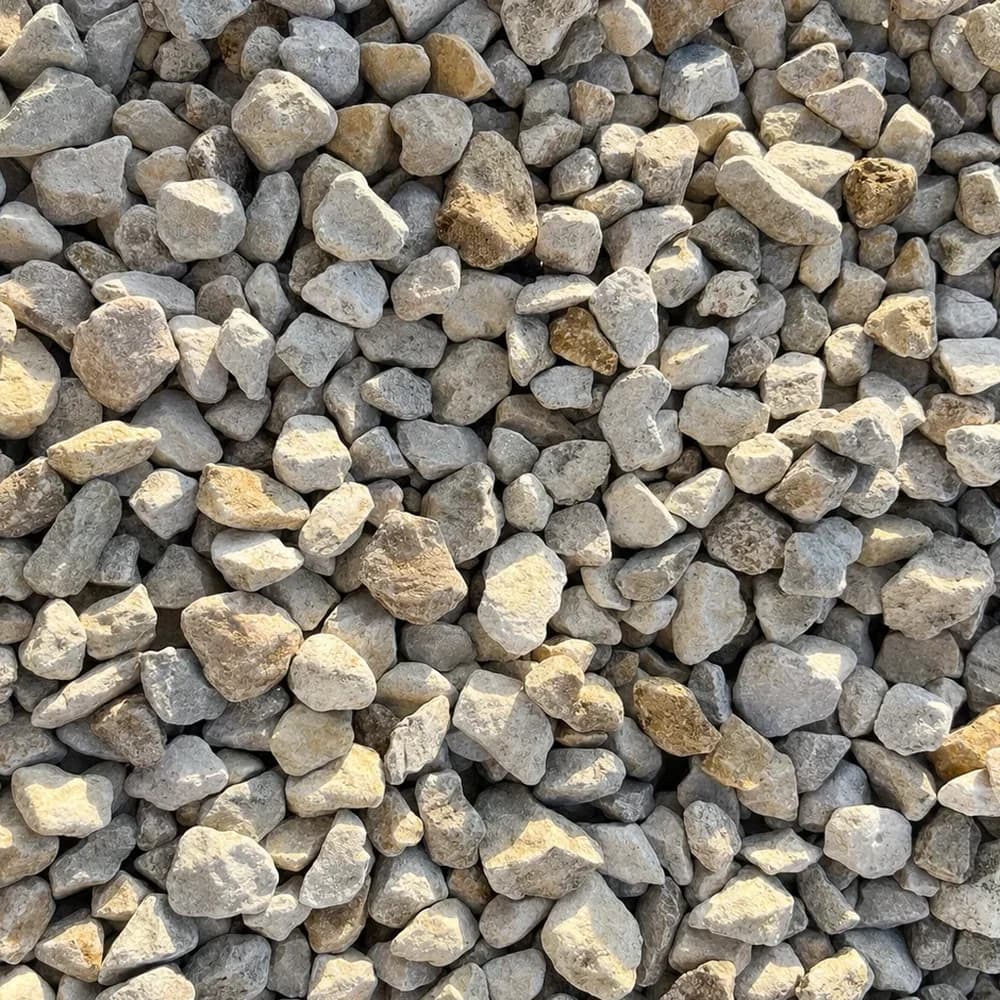
The setting layer is where a New York patio gets its final adjustment. Stone Dust compacts into a smooth, firm bed for pavers and stone.
- Size: 1/4 inch minus
- Grading: Stone dust and fine particles
- Type: Angular crushed stone
From $451 for 1 ton, delivery included (larger loads cost significantly less per ton)
Free delivery included
Free delivery anywhere in New York
Pick a delivery date
Weekday delivery, earliest Oct 30
“Got Stone Dust from New York Rock Supply and it was solid material. Price was fair too, felt like good value for what I got.”
Paul L. · Verified Buyer
Get a Free Quote
Fill out the form and our sales team will get back to you within the hour.
Size and Grading
- Size
- 1/4 inch minus
- Grading
- Stone dust and fine particles
- Type
- Angular crushed stone
The bluestone is stacked on the drive, the base has been compacted, and the layer still missing is the thin one that decides whether a patio sits flat through a Capital Region winter. That layer is stone dust, the New York yard name for screenings: quarter inch minus, angular crushed stone with all its fines still in it. Almost every order leaves here for the same reason, which is that something flat has to be set on something firm and nothing coarser will let a slab sit still.
Screeding a quarter inch bed under Hudson Valley flagstone
Bedding is the job. A compacted base of Item 4 carries the weight and takes the shape of the excavation, but its top surface is never flat enough to seat a paver without rocking. An inch of screened dust, pulled level with a screed board riding on two rails, gives every unit full contact across its underside.
Full contact is what stops the rocking, and rocking is what kills a patio here. A slab that tips a fraction under a footstep works water down into the bed, and water in the bed freezes. Repeat that from December through March and the joint lines open.
The same layer does three related jobs. It levels subgrade before a slab or a shed. It sweeps into the joints between pavers, brick and flagstone, where the fines tighten up and leave weeds less room. And packed on its own it makes a hard, smooth walking surface that a garden cart or a wheelchair can cross once it is dense.
Fines and water: how stone dust behaves on valley clay
Screenings hold water. That is the trade for their binding ability, and on New York ground it decides where the material goes.
Fines plus moisture plus compaction is what makes this material knit into something close to solid. On the silt and clay left by glacial lakes along the Hudson and the Mohawk, and on the flat lake plains inland from Lake Ontario, the ground underneath holds water too, and two water-holding layers stacked on each other will heave. Those sites want a free-draining base below the dust and a route for water to leave, not a thicker bed.
Upland till in the Southern Tier and the Finger Lakes hills has a dense subsoil that keeps rainwater near the surface, so the same caution applies on flat ground up there. Long Island's sandy outwash is the easy case: water moves down and away, and a packed dust path on the Island dries out faster after a storm than the same path would in a Catskill hollow.
Nowhere in the state does stone dust belong in a drain. Put it in a trench that has to carry water and the fines pack, silt joins them and the voids close.
Damp, thin and screeded once: putting the layer down
Spread it a little thicker than the finished bed and pull it down to grade. A bedding course is about an inch; a packed path runs two to three inches over a prepared base. Keep the layer even rather than deep, because a thick bed of fines is a thick layer of material that can settle unevenly.
Damp it before you compact. Dry dust will not bind and saturated dust pumps under the plate, so the target is material that holds together in a squeezed handful and then crumbles. A plate compactor does the work on a path; on a bedding course under pavers, screed it and leave it alone, then compact through the pavers at the end.
Give a packed path a slight cross-fall, a quarter inch to the foot is plenty, so meltwater crosses it rather than standing on it.
Mason sand and 3/8 inch chips on either side of a dust bed
Two materials get compared with this one. Mason sand is the traditional bedding sand: it screeds beautifully and it does not bind, which means it can wash out from under an edge that is not restrained. Stone dust binds but is less forgiving to screed. On a wide open patio with solid edge restraint either will work; on a path with a soft edge, the binding material stays put better.
The other neighbor is 3/8" Crushed Stone, the single-size chip grade. It drains where dust holds, so it is what goes under a patio built on ground that stays wet, with the dust above it kept thin.
A new lawn is the one job on this list that wants soil
Screenings come up in lawn conversations because people confuse leveling with grading. Bringing a subgrade to grade under a slab is a screenings job. Preparing ground that grass has to root into is not. That is Top Soil, and dust under a thin lawn bakes hard in July and leaves the turf yellowing in strips over it.
Working out a 60 foot garden walk and a 300 foot lane path
Hypothetical layouts, with the arithmetic shown.
Garden walk, 3 ft wide by 60 ft, 2 in compacted
- 3 x 60 = 180 sq ft
- 180 x 2 / 12 = 30 cu ft
- 30 / 27 = 1.11 cu yd
Walking strip beside a rural lane, 4 ft by 300 ft, 2 in
- 4 x 300 = 1,200 sq ft
- 1,200 x 2 / 12 = 200 cu ft
- 200 / 27 = 7.41 cu yd
Patio bedding course, 12 by 18 ft, 1 in
- 12 x 18 = 216 sq ft
- 216 x 1 / 12 = 18 cu ft
- 18 / 27 = 0.67 cu yd
That comes to 9.19 cubic yards. This site's calculator pages put screenings at roughly 2,900 pounds per cubic yard, about 1.45 tons per yard, so 9.19 yards is near 13.3 tons and 13 or 14 is the sensible order depending on how much you want left over. Treat the weight as approximate. The paver base calculator will run a bedding layer for you, and the stone calculator handles the path lengths.
Once the tonnage is settled, choose the quantity and a delivery date on the product page. Delivery is arranged at checkout from your ZIP code, and the truck needs a firm spot with clear access to tip on.
Quickly Calculate How Much You Need
Material: Stone Dust
How to Measure
Measure the length and width of your project area in feet
Decide on depth in inches (2" for landscaping, 4" for driveways)
Enter the values above and we'll calculate the tonnage you need
Need help figuring out the right amount? We can help!
Call or text us at (516) 914-4265 and we'll help you calculate the right quantity for your project.
Not sure how much you need? The Stone Calculator has depth guides, coverage charts and worked examples for this material.
Frequently Asked Questions About Stone Dust
Customer Reviews
Needed Stone Dust for a patio base and New York Rock Supply made it super easy. Delivery showed up when they said it would, and the Stone Dust was exactly what I needed. I'd definitely order again and recommend them.
Scott N. · Yonkers, NY · Verified Buyer
Got Stone Dust from New York Rock Supply, and the delivery showed up as planned. The Stone Dust was great quality and worked perfectly for my project.
Eric F. · Syracuse, NY · Verified Buyer
Got Stone Dust from New York Rock Supply and it was solid material. Price was fair too, felt like good value for what I got.
Paul L. · Yonkers, NY · Verified Buyer
Ordered Stone Dust from them and everything went really smoothly. They kept me updated the whole time and the delivery showed up right when they said it would. Super happy with how it turned out and I'd definitely use them again.
Laura R. · Yonkers, NY · Verified Buyer
Stone Dust has 4 verified customer reviews with an average rating of 5 out of 5.