Top Soil in New York: What Lands on the Tarp
When a New York yard is being renewed after winter, Top Soil supplies an even surface for planting and finishing lawn or garden areas.
- Size: Screened; free of rocks, debris and large clumps
- Grading: Balanced sand, silt and clay
From $380 for 1 ton, delivery included (larger loads cost significantly less per ton)
Free delivery included
Free delivery anywhere in New York
Pick a delivery date
Weekday delivery, earliest Oct 30
“Ordered top soil from this company, ordering was no fuss and the driver was friendly and careful about where he placed it.”
Doug E. · Verified Buyer
Get a Free Quote
Fill out the form and our sales team will get back to you within the hour.
Size and Grading
- Size
- Screened; free of rocks, debris and large clumps
- Grading
- Balanced sand, silt and clay
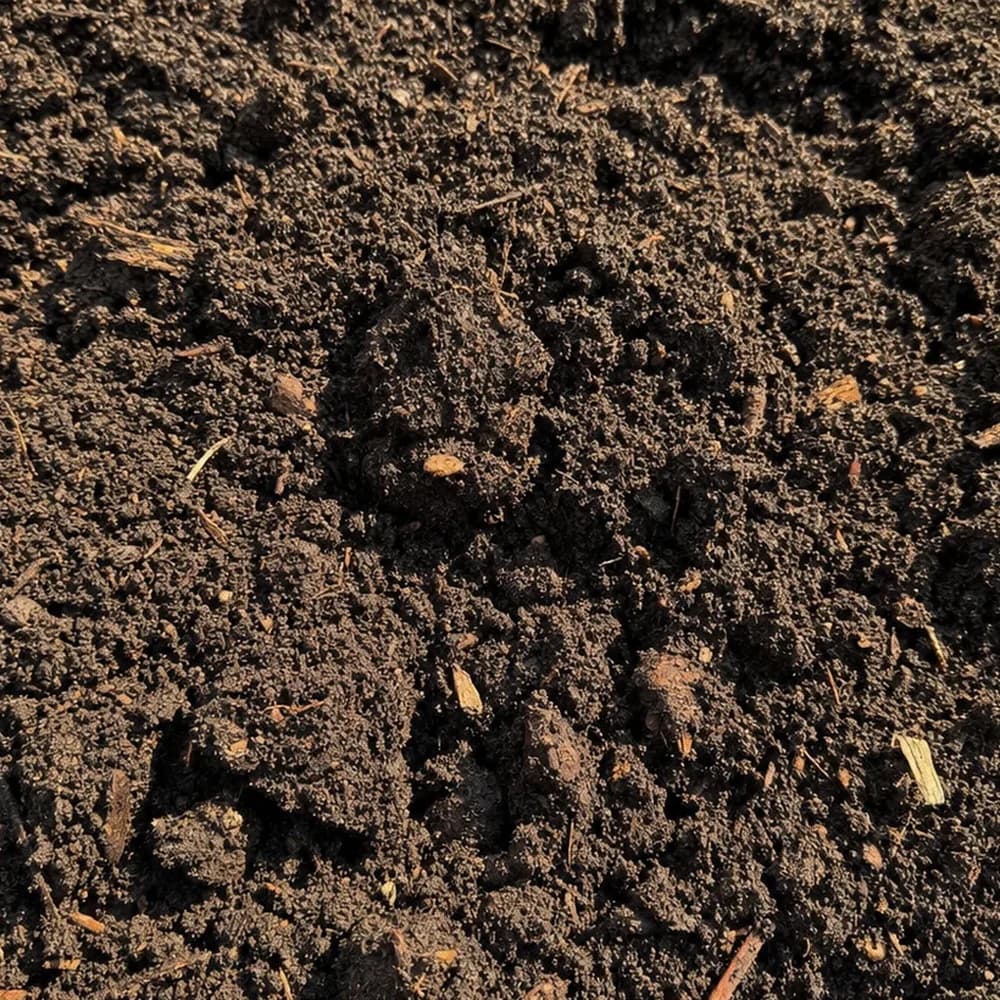
Put a tarp down on a Rochester driveway in April and have a few yards of screened soil tipped onto it, and the first thing anyone does is pick a handful up. That handful tells you most of what you need to know. Top Soil is sold here screened, so it arrives free of rocks, debris and large clumps, with a balanced structure of sand, silt and clay. Screened does not mean sieved to a powder. It means the stones, roots and lumps that make raking miserable have been taken out.
The squeeze test on a driveway tarp in April
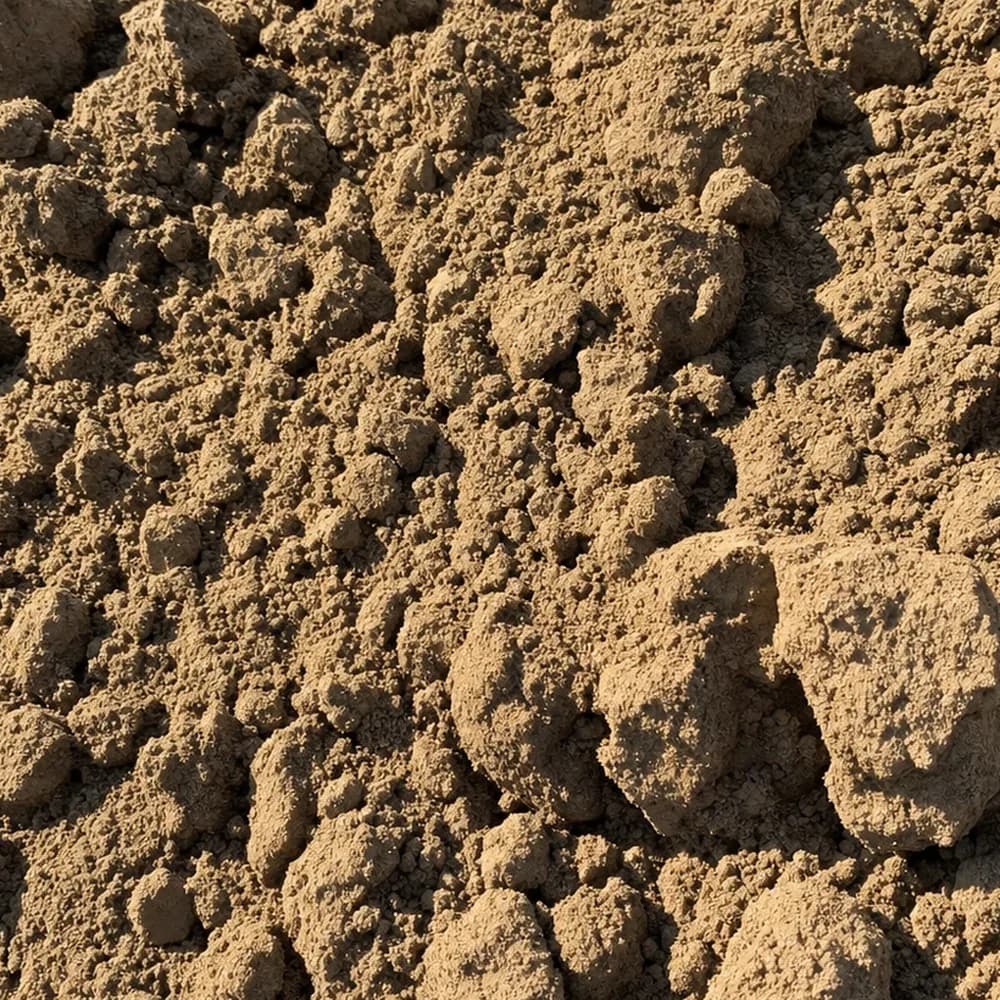
Squeeze a damp handful. It should hold together briefly, then break apart into crumbs when you poke it. If it stays welded into a ball, there is more clay in it than you want directly under seed. If it will not hold at all and runs through your fingers, it is sandier than the balance suggests, which upstate is unusual and on Long Island is not.
Color is worth reading but is not the whole story. Dark soil generally means organic matter, which holds moisture and feeds roots, though wet soil always looks darker than the same soil dry. What matters more is texture: a screened load rakes out smoothly and takes a level without fighting you.
The pile will also be heavier than people expect, and moisture is why. Soil delivered after a wet week carries water weight and will sit in a dense heap rather than flowing off a shovel. Given a dry day it loosens considerably.
Top Soil for lawn repair, grade work and the base of a raised bed
The steadiest use for this material across New York is lawn work. Stony glacial till upstate and compacted subsoil left behind by construction both give grass a poor start, and a few inches of screened soil over the top gives roots something to get into before the first winter.
Grade work is the second. Filling a shallow low spot, easing a slope away from a foundation, or covering the sunken circles left after stumps have been ground out all want a material that can be raked and shaped.
In a raised vegetable bed, screened soil is the bulk of the volume rather than the whole of it. Fill the lower two-thirds with top soil, then finish the top with garden soil where the seed and the transplants go. That way you are not paying for a richer mix to sit below root depth.
Where a playground surface or an RV pad needs something else
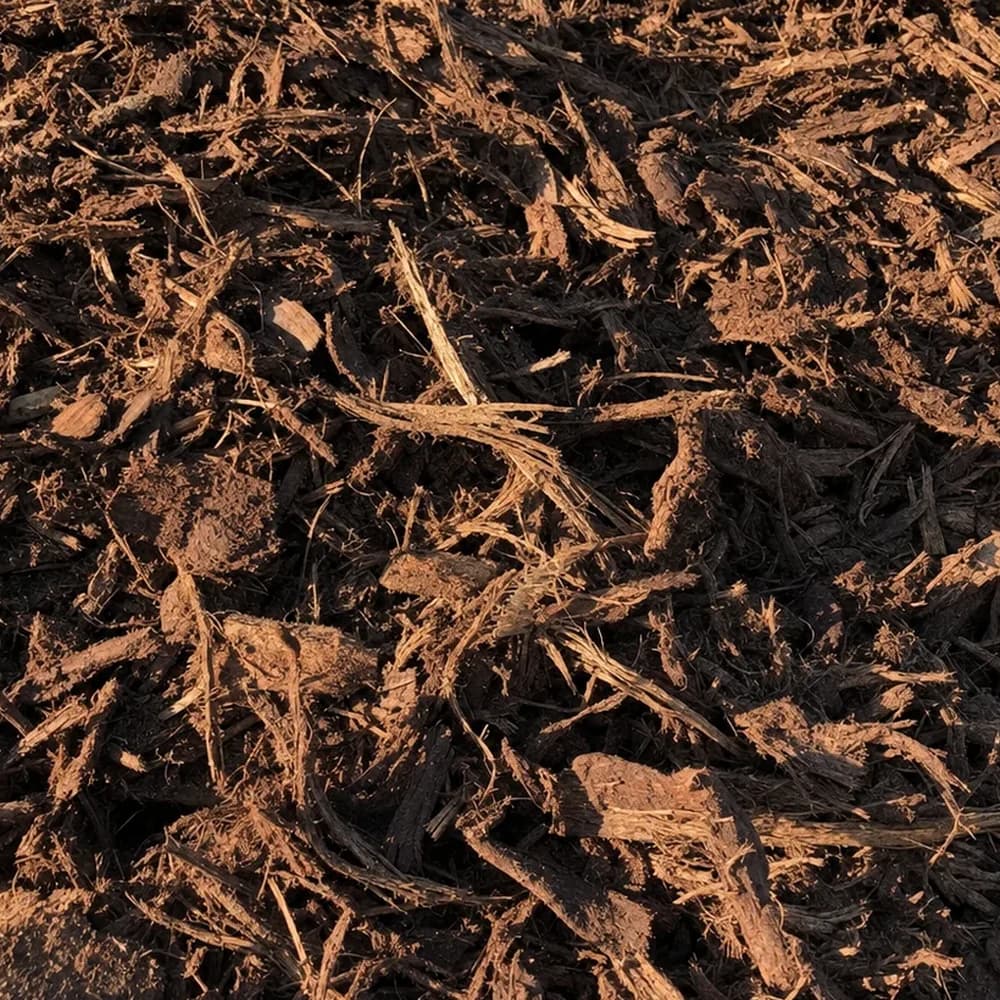
Two jobs it cannot take. A playground surface has to stay loose and forgiving after rain and under constant use, and soil compacts, holds water and turns to mud. Shredded mulch or a washed sand is the material for that.
An RV or boat parking pad is the clearer case. Soil under a wheel load on New York ground will rut in the first wet spell and heave in the first freeze. That pad needs a compacted stone base such as crusher run or Item 4.
There is also a depth limit. Filling anything deeper than about 6 inches entirely with top soil means the whole column settles, and you will be topping it up for years. Deep fills go in with fill dirt below and a soil cap on top.
Depth over stony till upstate and sandy outwash on Long Island
| Job | Depth of screened soil | Note for New York ground |
|---|---|---|
| Overseeding a thin lawn | 1/4 to 1/2 in, raked in | Enough to hold seed, not to smother grass |
| New lawn from seed or sod | 3 to 4 in | Go to 4 in over compacted subsoil or stony till |
| Leveling a shallow low spot | Up to 6 in | Deeper than that, fill from below first |
| Raised bed, lower portion | Two-thirds of the depth | Garden soil above it |
| Planting trees and shrubs | Blend with site soil | Do not backfill a hole with soil alone |
Long Island's sandy outwash drains fast and dries out in summer, so a soil layer there is doing as much work holding moisture as it is feeding roots. On upland silty till in the Southern Tier and the Catskills, where a dense subsoil keeps water near the surface, loosening the ground before the soil goes on matters more than the depth of it.
Counting yards for four raised beds and a 30 by 20 lawn patch
Illustrations with invented dimensions.
Four raised beds, each 4 by 8 ft, filled 10 in deep
- 4 x 8 = 32 sq ft per bed
- 32 x 10 / 12 = 26.7 cu ft per bed
- 26.7 x 4 beds = 106.7 cu ft
- 106.7 / 27 = 4.0 cu yd, of which roughly two-thirds is top soil
Lawn repair patch, 30 by 20 ft, 3 in deep
- 30 x 20 = 600 sq ft
- 600 x 3 / 12 = 150 cu ft
- 150 / 27 = 5.6 cu yd
Three ground-out stump circles, 5 ft across, averaging 8 in deep
- A 5 ft circle is 3.14 x 2.5 x 2.5 = 19.6 sq ft
- 19.6 x 8 / 12 = 13.1 cu ft each
- 13.1 x 3 = 39.3 cu ft, or 1.5 cu yd
Add something to each of those, because fresh soil settles. Counting roughly two-thirds of the raised-bed volume as top soil, the three come to about 9.8 cubic yards, and this site publishes screened topsoil at roughly 2,200 pounds per cubic yard, about 1.10 tons per yard, so 9.8 x 1.10 is approximately 10.8 tons; the weight is approximate, as wet soil runs heavier. To turn cubic yards into the tonnage the product page orders by, put the same numbers into the topsoil calculator.
Fill dirt, garden soil and mulch on the same delivery
Most soil orders are really two or three materials. Fill dirt raises the grade, top soil caps it, garden soil goes where things are planted and mulch covers the finished beds. Working out all of them before you order saves splitting the job across dates, and the soil calculator will handle several areas in one pass.
When the quantities are settled, choose the amount and a delivery date on the Top Soil page and confirm the ZIP at checkout, or send the measurements through the contact page and let New York Rock Supply check the arithmetic with you.
Quickly Calculate How Much You Need
Material: Top Soil
How to Measure
Measure the length and width of your project area in feet
Decide on depth in inches (2" for landscaping, 4" for driveways)
Enter the values above and we'll calculate the tonnage you need
Need help figuring out the right amount? We can help!
Call or text us at (516) 914-4265 and we'll help you calculate the right quantity for your project.
Not sure how much you need? The Topsoil Calculator has depth guides, coverage charts and worked examples for this material.
Frequently Asked Questions About Top Soil
Customer Reviews
Went with New York Rock Supply for top soil and I'm really happy with how it turned out. Pricing was fair for the amount I needed, and it felt like a good value. They kept me updated the whole time and delivery was easy.
Chris P. · New York City, NY · Verified Buyer
Got top soil delivered from New York Rock Supply and I'm really happy with it. Ordering was simple, and the delivery showed up right when they said it would. Everything was clean, easy, and exactly what I needed.
Wendy J. · New York City, NY · Verified Buyer
Went with this company for top soil, delivery arrived right on schedule and the top soil was great quality.
Paul V. · Yonkers, NY · Verified Buyer
Ordered top soil from this company, ordering was no fuss and the driver was friendly and careful about where he placed it.
Doug E. · Syracuse, NY · Verified Buyer
Top Soil has 4 verified customer reviews with an average rating of 5 out of 5.