Garden Soil: The Compost Blend for New York Beds and Planters
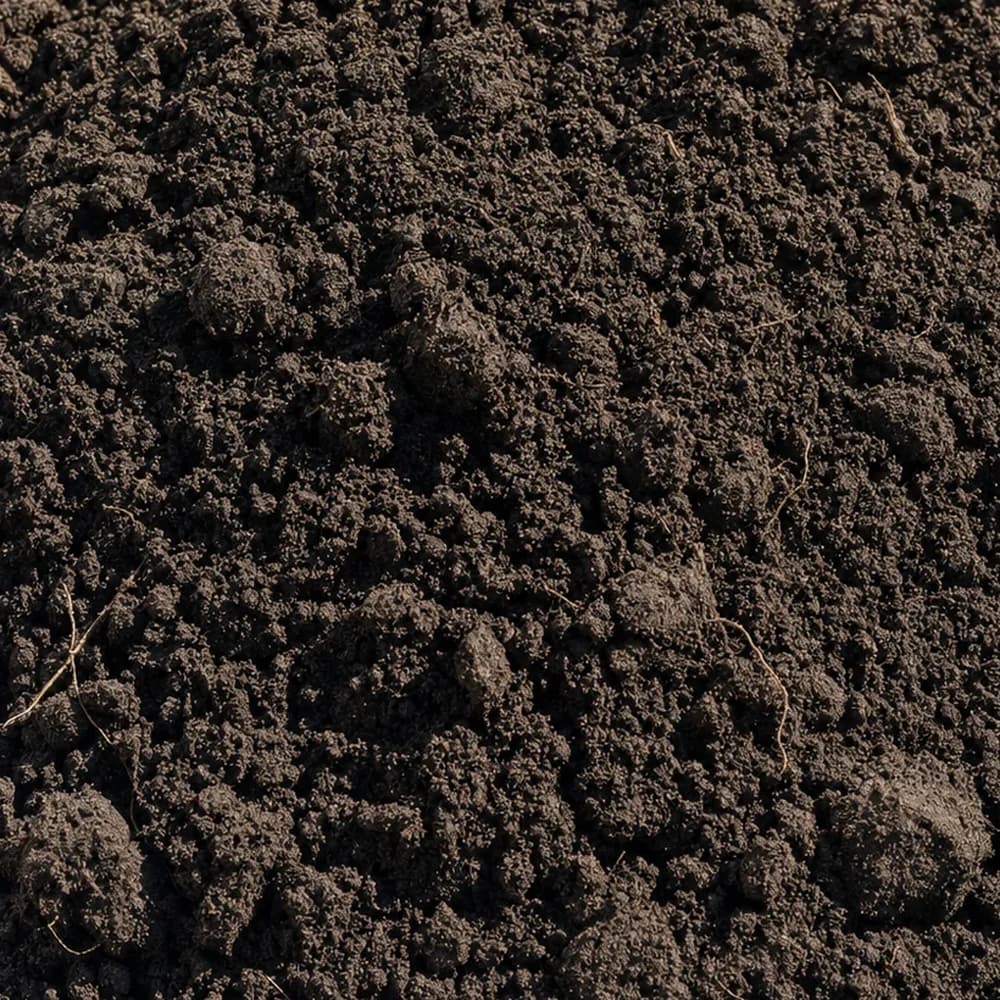
At the planting stage of a New York bed or raised planter, Garden Soil provides compost-enriched material for vegetables and flowers.
- Size: Nutrient-enriched soil blend
- Grading: Enhanced with organic compost
From $476 for 1 ton, delivery included (larger loads cost significantly less per ton)
Free delivery included
Free delivery anywhere in New York
Pick a delivery date
Weekday delivery, earliest Oct 30
“Went with these guys for garden soil and it was great quality.”
Rachel P. · Verified Buyer
Get a Free Quote
Fill out the form and our sales team will get back to you within the hour.
Size and Grading
- Size
- Nutrient-enriched soil blend
- Grading
- Enhanced with organic compost
Order screened topsoil for a new raised bed in the Finger Lakes and you will get exactly what you asked for, which is the problem. Topsoil is ground, sieved and sold as ground. Garden soil is a blend, enriched with organic compost and mixed to go straight into a planting area. The two look similar on the tarp and behave differently by July, when the compost blend is still holding moisture between rains and the screened ground has set into a crust the trowel bounces off.
Stony till, thin upland ground and what garden soil fixes
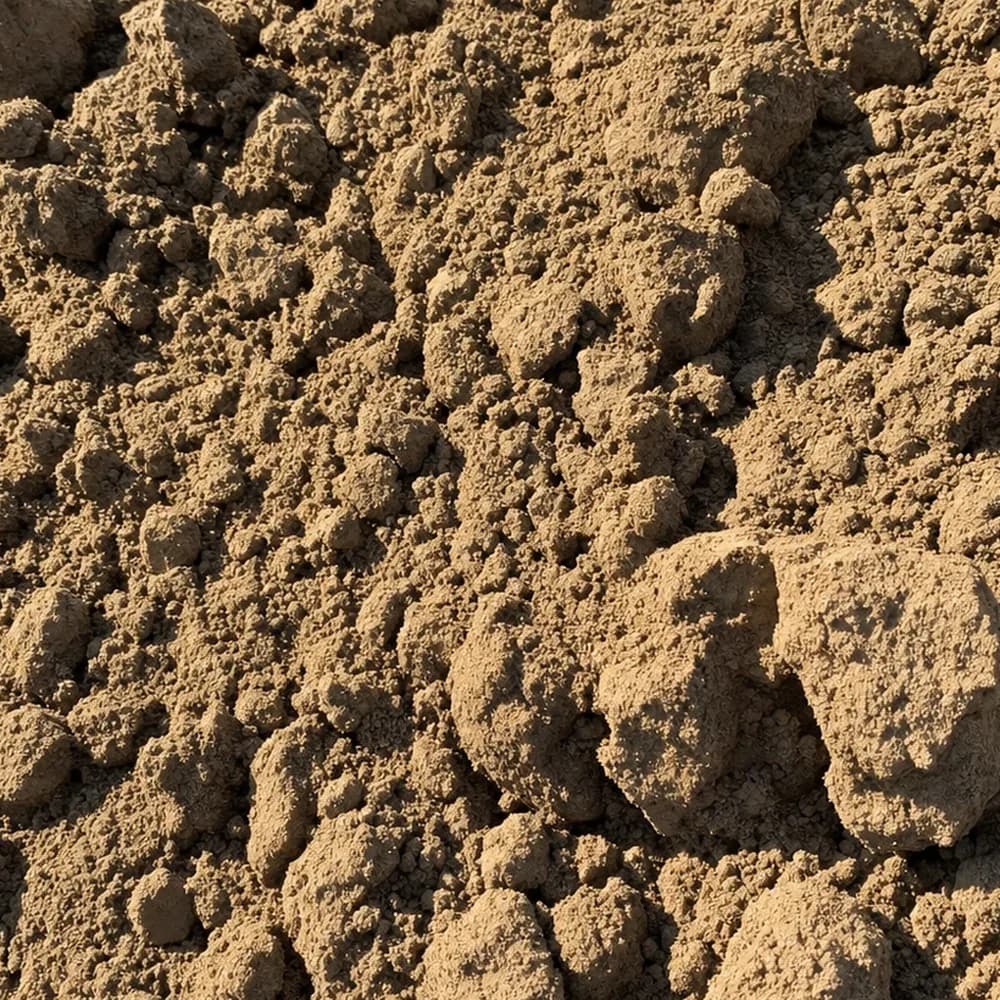
The problem this material solves is old and particular to a lot of New York yards. Much of upstate sits on stony glacial till, full of cobbles and slow to work. In the Adirondacks the soil is thin and sandy over hard bedrock that is sometimes a spade's depth down. The valley floors along the Hudson and the Mohawk carry silt and clay left by a glacial lake, which sets hard when dry and stays sticky when wet. South of the moraines on Long Island the ground is sandy outwash that water runs straight through, taking nutrients with it.
None of that is bad ground for a lawn or a shrub. All of it is difficult ground for a vegetable bed, which is why so many gardens here are built up rather than dug into. Building up needs a growing medium rather than more of what is already there, and that is the gap this blend fills: a mix of soil and organic compost that roots can get into immediately.
The second job is rescue. A bed that has grown the same crop for four seasons gives less every year. Two or three inches of compost blend worked into the top puts organic matter and biological activity back where the roots are.
How a compost blend behaves on Island sand and valley clay
Organic matter changes how water moves, and that plays out differently across the state.
On sandy Long Island ground, the compost fraction is the part that holds water in the root zone long enough for a plant to use it. A bed built there with this blend stays workable through a dry August stretch in a way the surrounding sand does not.
On Hudson Valley clay the same organic matter does the opposite favor: it opens up a dense soil so water can pass and roots have air. What it cannot do is drain a wet site. If a bed sits in a hollow where water stands after a storm, the blend will simply hold that water, and the fix is a raised frame or a drainage route, not a different soil.
Upstate the growing season is short and the ground stays cold late. Beds built up above grade warm faster in spring than the ground beside them, which is worth a week or two at the start of the season in the North Country and the Southern Tier hills.
Filling a rock garden bed between the stone
A rock garden is the awkward install, so it is the one worth describing. Set the stone first and get it bedded properly, because nothing is more annoying than a boulder that settles after the planting is done. Work the blend in behind and between the stones in layers, pressing it gently into the gaps with a hand rather than a boot, so there are no voids for a root to run into and find nothing.
Leave the finished level a little below the stone faces. The blend settles as it takes its first waterings, and a bed filled flush ends up looking sunken by midsummer.
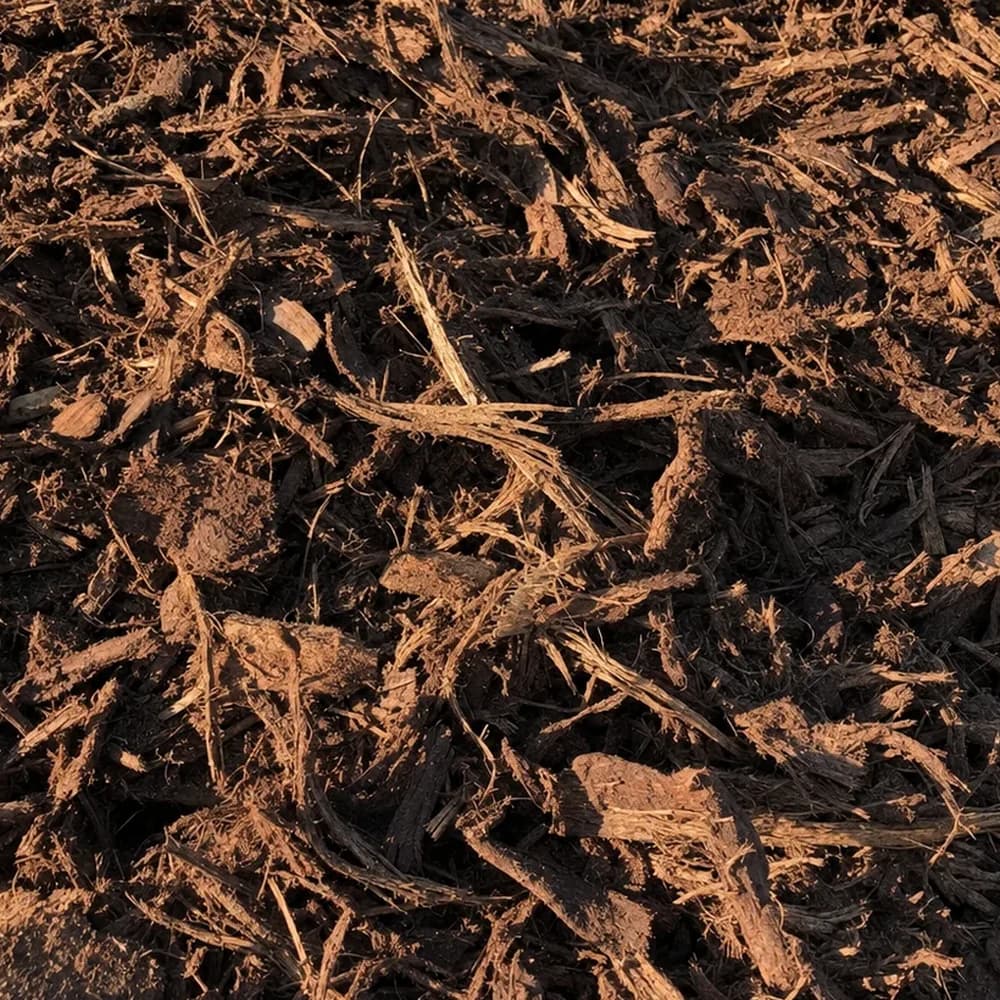
For a plain bed or a frame, the order is simpler: break up the ground underneath so roots can pass into it, fill, water it in, then plant. A layer of shredded mulch over the top holds moisture through the summer and keeps the surface from crusting.
A shed pad and a downspout splash area want stone, not soil
Two jobs come up in the same conversation and neither of them is a soil job.
A shed or garage pad needs a material that compacts and carries weight. That is Item 4 or crusher run, built up in lifts and compacted, and any soil left under it will hold water and heave. Soil and hardscape base belong in separate parts of a site and on separate parts of a delivery.
A downspout splash area needs stone that takes the hit of falling water and lets it soak away. Soil there washes out within a season and turns into a mud fan across the lawn. Pea gravel or a coarser drainage stone does that job properly.
Feeding a bed back after a season of tomatoes
Compost breaks down. That is what it is for, and it means a bed is a little lower and a little leaner each autumn. Top up rather than replace: two to three inches spread over the surface and lightly forked in at the end of the season, or in early spring before planting, keeps the level and the organic content where they were.
Get a soil test through your county's Cooperative Extension office before adding anything beyond that. This is a blend, not an analyzed product, and what a bed actually needs depends on what has been grown in it.
Yards for a 16 by 5 rock garden and three planters
Hypothetical beds, with the arithmetic shown.
Rock garden bed, 16 by 5 ft, 10 in deep
- 16 x 5 = 80 sq ft
- 80 x 10 / 12 = 66.7 cu ft
- 66.7 / 27 = 2.47 cu yd
- less about a fifth for the stone itself: 2.47 x 0.8 = 1.98 cu yd
Three raised planters, each 4 by 8 ft, 12 in deep
- 4 x 8 x 1 ft = 32 cu ft each
- 32 x 3 = 96 cu ft
- 96 / 27 = 3.56 cu yd
Top-dressing an existing 20 by 12 ft bed, 2 in
- 20 x 12 = 240 sq ft
- 240 x 2 / 12 = 40 cu ft
- 40 / 27 = 1.48 cu yd
Add them and the order is 7.02 cubic yards. This site publishes garden soil at roughly 2,000 pounds per cubic yard, about 1.00 ton per yard, so the tonnage and the yardage are close to the same number here: 7.02 x 1.00 is approximately 7.0 tons. Call it 7 tons. Treat the weight as approximate, since a blend with compost in it runs heavier after rain. The soil calculator will take several beds at once if your layout is more complicated than these three.
When the figure is settled, pick a quantity and a delivery date on the product page. Delivery is arranged at checkout from your ZIP code, and the truck needs clear access to somewhere firm to tip, which for a soil load is worth thinking about twice: a pile dropped on a lawn leaves a mark that lasts the season.
Quickly Calculate How Much You Need
Material: Garden Soil
How to Measure
Measure the length and width of your project area in feet
Decide on depth in inches (2" for landscaping, 4" for driveways)
Enter the values above and we'll calculate the tonnage you need
Need help figuring out the right amount? We can help!
Call or text us at (516) 914-4265 and we'll help you calculate the right quantity for your project.
Not sure how much you need? The Soil Calculator has depth guides, coverage charts and worked examples for this material.
Frequently Asked Questions About Garden Soil
Customer Reviews
Needed garden soil for a backyard project and ordering was smooth from start to finish. This company got it delivered when they said they would, and the garden soil looked great. Really happy with the whole thing and would definitely order again.
Kevin S. · Syracuse, NY · Verified Buyer
Grabbed garden soil from the team and it showed up right when they said it would. They kept me updated the whole time, super easy and I'm really happy with it.
Jennifer M. · Albany, NY · Verified Buyer
Went with these guys for garden soil and it was great quality.
Rachel P. · Buffalo, NY · Verified Buyer
Grabbed garden soil from New York Rock Supply and the free delivery made it super easy. Pricing felt fair too, definitely a good value and I'm really happy with it.
Tony P. · Albany, NY · Verified Buyer
Garden Soil has 4 verified customer reviews with an average rating of 5 out of 5.