3/8" Natural Pea Gravel: Choosing Rounded Stone in New York
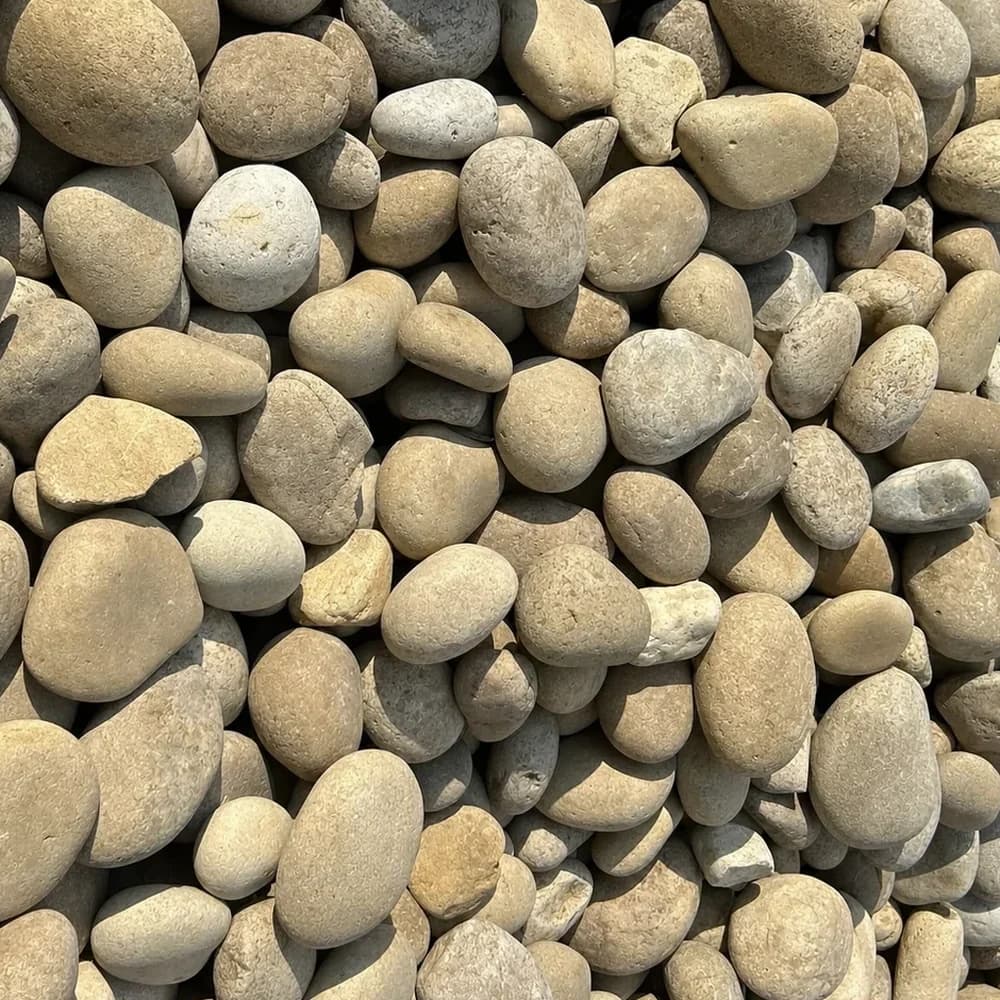
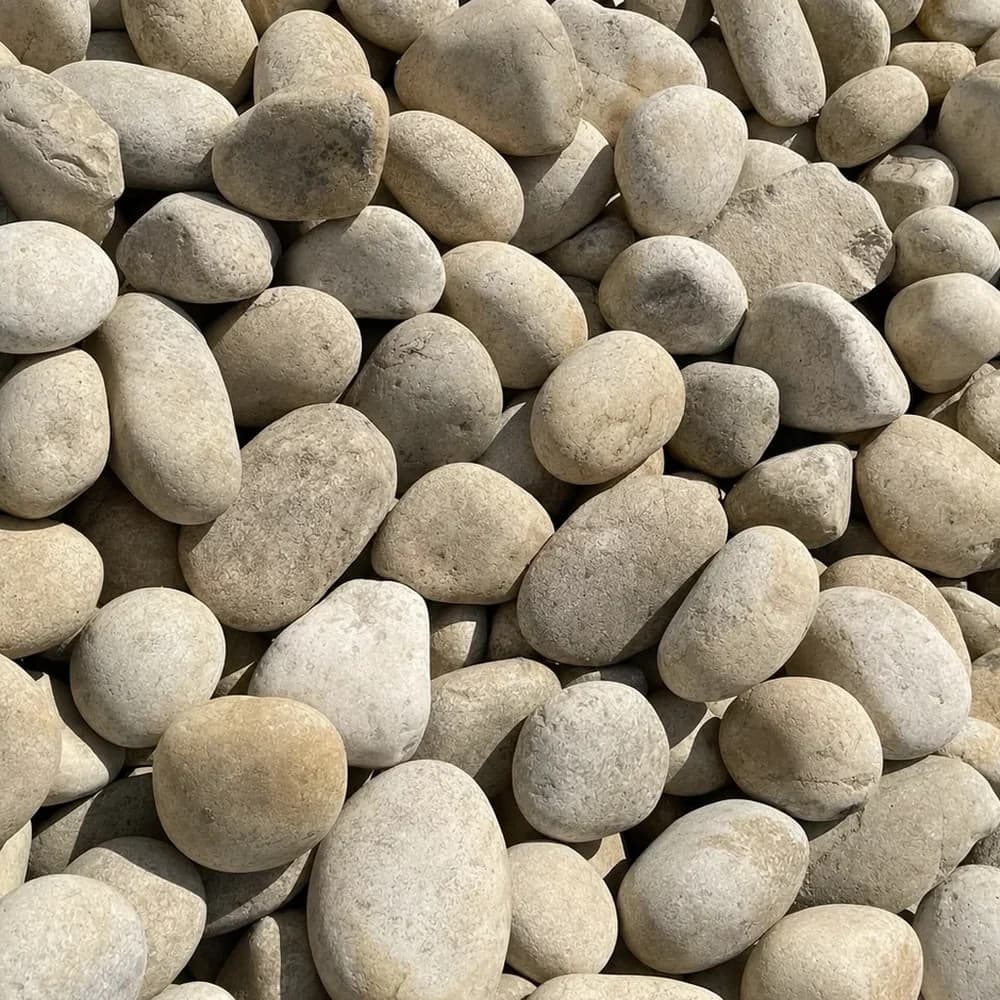
Natural color variation helps 3/8" Natural Pea Gravel keep an easy, informal appearance in New York paths and patio areas while water passes through the surface.
- Size: Approximately 3/8 inch
- Type: Small, smooth, naturally rounded stones
- Color: Tans, creams, grays, browns and occasional reds
From $657 for 1 ton, delivery included (larger loads cost significantly less per ton)
Free delivery included
Free delivery anywhere in New York
Pick a delivery date
Weekday delivery, earliest Oct 30
“Needed natural pea gravel for my yard, and the team made it easy with free delivery, it was exactly what I needed.”
Maria M. · Verified Buyer
Get a Free Quote
Fill out the form and our sales team will get back to you within the hour.
Size and Grading
- Size
- Approximately 3/8 inch
- Type
- Small, smooth, naturally rounded stones
- Color
- Tans, creams, grays, browns and occasional reds
Most people arrive here holding two jobs at once. There is a drain to backfill on the north side of a Capital Region house where water has been finding the basement every spring, and there is a seating area out front that has to look like somebody planned it. 3/8" Natural Pea Gravel is one of the few materials asked to do both, and it is genuinely good at one of them and merely acceptable at the other. Knowing which is which before you order saves a load of stone being moved twice.
The material itself is small, smooth and naturally rounded, about three eighths of an inch, in tans, creams, grays, browns and the occasional red. The color is in the stone rather than on it.
Say yes to the foundation drain, no to the culvert outlet
Choose it when the stone has to pass water and be pleasant to stand on. Foundation drains, splash areas under downspouts, drainage swales, bare strips where grass has given up, garden paths, patio and seating surfaces and play areas all suit rounded 3/8 inch stone.
Skip it wherever water arrives with force. A culvert outlet, a ditch that runs hard after a Southern Tier thunderstorm, a stream bank, a lake or Sound shoreline: rounded stone this size travels in moving water, and a season of runoff will deposit your gravel forty feet downstream. Those jobs want RipRap, sized to the flow and the bank.
Skip it under vehicles too. Rounded stone does not interlock, so it rolls out from under a tire, spreads at the edges and tracks onto the road. A drive wants a graded crushed material such as driveway gravel.
Backfilling a drain against a house on a Hudson Valley slope
The foundation drain is where this stone does its best work, and the job has a sequence worth following.
Dig to the footing and set the perforated line with a fall along its length. Wrap the trench in filter fabric first, lapped up both walls, because the silt and clay soils on the valley floors here move fines into stone voids given half a chance. Bed the pipe, then backfill with the rounded stone, bringing it up the wall rather than tipping it in one place, keeping the layers even so the pipe does not shift.
Rounded stone earns its place in that trench because it flows. Poured against a wall and around a pipe, it finds its own level into every gap without needing to be rodded, and it leaves clear voids for water. Fold the fabric over the top, then cap with soil or with a visible layer of the same gravel where a splash strip is wanted.
On sandy Long Island ground the same detail works with less drama, since the surrounding soil takes water in anyway. In the snow belts east of the lakes the drain matters more than anywhere, because a heavy pack melts over a few weeks and every gallon of it has to go somewhere.
A 3/8" Natural Pea Gravel surface over a base that does the work
Loose rounded stone laid straight onto soil is the most common mistake made with this material. It sinks. Grass and weeds come through it, mud works up into it, and within two years it is a gray-brown patch rather than a surface.
Build it in layers. A compacted base of Item 4 carries the weight and holds the shape. A thin course of stone dust over that gives a firm, even bed. The pea gravel goes on top as the visible finish, two inches deep for a seating area or path and no more, because a deep layer of rounded stone is hard to walk on and a shallow one packs against the bed underneath.
Edge restraint is not optional. Steel, aluminum, timber, brick or a stone border all work, and anything is better than a feathered edge, which is a slow leak of gravel into the lawn.
A low spot in the yard is a soil job, not a stone job
Filling a hollow or regrading a yard with gravel seems efficient and is not. Stone in a low spot gives you a stone-filled low spot: water still collects there, nothing will grow, and mowing around it becomes a permanent annoyance.
Bring the level up with fill dirt, compacted in layers, then finish with Top Soil and seed. Keep the gravel for the places where you want water to disappear rather than the places where you want the ground to be higher.
Stone for 70 feet of foundation drain and a seating circle
Hypothetical layouts, with the arithmetic shown.
Foundation drain, 1.5 ft wide by 70 ft, 12 in of stone over the pipe
- 1.5 x 70 = 105 sq ft
- 105 x 12 / 12 = 105 cu ft
- 105 / 27 = 3.89 cu yd
Seating circle, 10 ft across, 2 in of gravel over a prepared bed
- 3.14 x 5 x 5 = 78.5 sq ft
- 78.5 x 2 / 12 = 13.1 cu ft
- 13.1 / 27 = 0.48 cu yd
Together that is 4.37 cubic yards. This site publishes pea gravel at roughly 2,800 pounds per cubic yard, about 1.40 tons per yard, so the order is near 6.1 tons. Six is the sensible figure, with the note that the pipe itself displaces a little of the trench volume and the rounding already covers it. Take the weight as approximate. The pea gravel calculator will handle several areas at once if your layout has more pieces than these two.
Set a quantity and a delivery date on the product page when the number is settled. Delivery is arranged at checkout by ZIP code, and the driver needs clear access and somewhere firm to tip, ideally close to the work, because rounded stone in a wheelbarrow is heavy and the wheelbarrow wants to tip on a slope.
Quickly Calculate How Much You Need
Material: 3/8" Natural Pea Gravel
How to Measure
Measure the length and width of your project area in feet
Decide on depth in inches (2" for landscaping, 4" for driveways)
Enter the values above and we'll calculate the tonnage you need
Need help figuring out the right amount? We can help!
Call or text us at (516) 914-4265 and we'll help you calculate the right quantity for your project.
Not sure how much you need? The Pea Gravel Calculator has depth guides, coverage charts and worked examples for this material.
Frequently Asked Questions About 3/8" Natural Pea Gravel
Customer Reviews
Went with the team for natural pea gravel, pricing was fair, delivery was easy, and I'd definitely order again.
Greg S. · New York City, NY · Verified Buyer
Ordered natural pea gravel and the team made the whole delivery easy. They kept me updated the whole time, and I'm really happy with how it turned out.
Debbie G. · Buffalo, NY · Verified Buyer
Got natural pea gravel from these guys and the free delivery made it super easy. Everything looked great, I'd definitely order again and recommend them.
Eric R. · Rochester, NY · Verified Buyer
Ordered natural pea gravel from them and the whole ordering process was smooth. Driver was friendly and careful about where he placed it, really happy with how it all went.
Lisa T. · New York City, NY · Verified Buyer
Needed natural pea gravel for my yard, and the team made it easy with free delivery, it was exactly what I needed.
Maria M. · Yonkers, NY · Verified Buyer
Comfortable underfoot
I used it between stepping stones. The smooth texture is comfortable to walk on and the color works nicely in the garden. I used it at my home in Rochester, NY and would choose it again for a similar project.
Morgan L. · New York City, NY · Verified Buyer
3/8" Natural Pea Gravel has 6 verified customer reviews with an average rating of 5 out of 5.