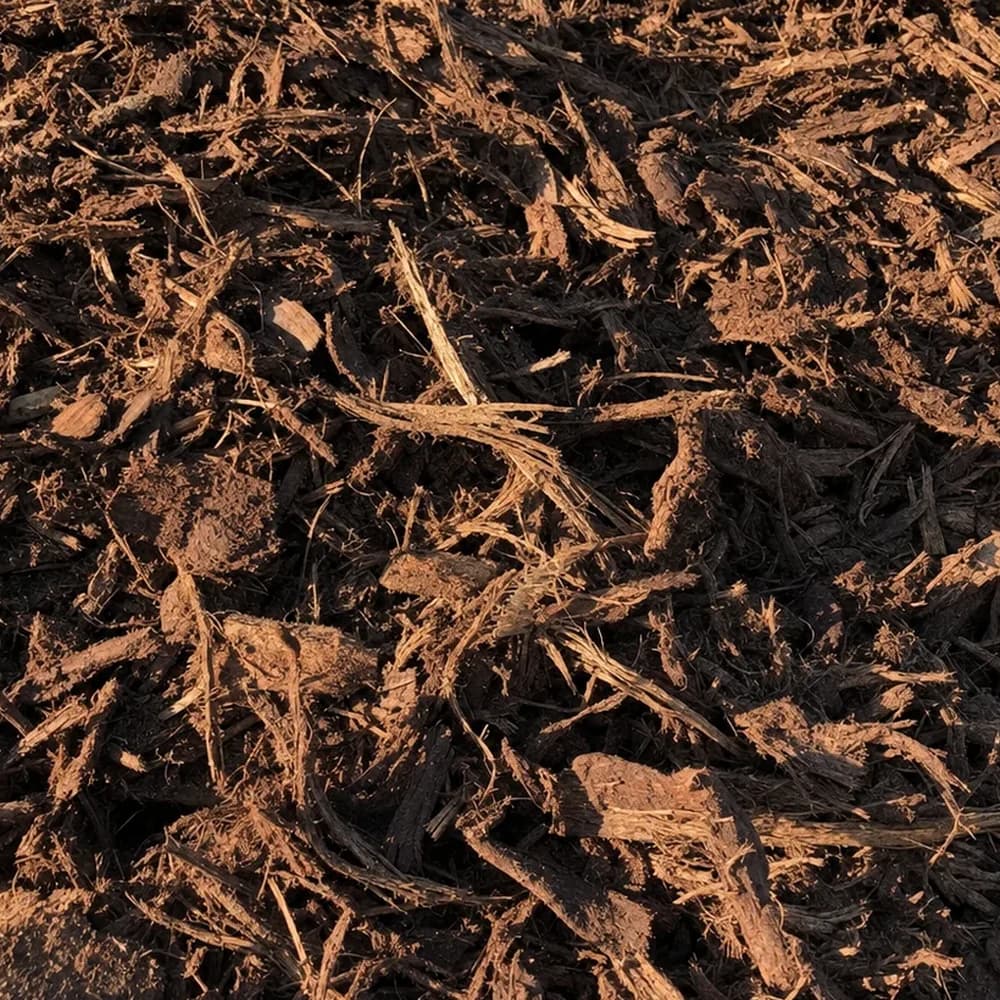
Mulch Calculator: Sizing the Spring Refresh Bed by Bed
Enter your project dimensions
The mulch goes down once the beds have been cleared and the soil has warmed, which upstate can be weeks later than the garden center displays suggest. Spread it over cold, sodden ground in late March and you hold the wet in; wait until the matted winter layer has been raked open and the perennials are showing, and the fresh layer does what it is for, which is holding moisture through July and keeping weed seed in the dark. The mulch calculator is the stage between clearing the beds and ordering, and this page runs one hypothetical spring refresh through from tape measure to empty wheelbarrow.
Walking the beds with a tape before anything is ordered
Curved borders do not want to be measured as curves. Break each bed into rectangles you can actually pace, and let the odd corner average out; a bed that bulges in one place usually pinches in another. Take the length and width of each piece in feet. For tree rings, measure straight across the ring, which is the diameter the tool asks for.
Do the walk after the winter mess has been cleared rather than before. Beds shrink and spread over a season, the matted gray layer that comes out from under the snow has to be raked open before anything goes over it, and a bed you extended last August is bigger than the one in your head. Write the numbers down as you go, bed by bed, because five beds paced from memory at the kitchen table is how an order ends up a yard short.
The example yard here has a foundation border 46 by 3.5 ft, three tree rings 5 ft across, and a new island bed 16 by 10 ft that has never been mulched. That comes to roughly 161 square feet of border, 59 square feet across the three rings, and 160 square feet of new bed.
Setting 2 inches over last year's layer, 3 on bare ground
Depth is where the order is won or lost. Over an existing layer that has been raked open, 2 inches is enough. On bare or newly made ground, 3 inches. Past 4 inches the layer stays wet and the roots underneath it go short of air, so deeper is not better here. Play areas are the exception, and they want playground-rated chip at 6 inches or more, not landscape shred.
In the tool, pick rectangle, circle or multiple areas, which totals up to five pieces at once. Feet for lengths, widths and diameters; inches for depth, anywhere from 0.25 to 24. Choose the material, leave the 5% extra for compaction and spillage ticked if you want a margin, and the result returns cubic yards, tons and cubic feet, with a button to email the estimate.
The example yard, run through in two passes
The depth box takes one figure for every area in a run, so the two depths are two passes of the tool:
Border and tree rings at 2 inches, 220 sq ft in total:
- 220 x 2 / 12 = 36.67 cu ft
- 36.67 / 27 = 1.36 cu yd
- at 13.5 bags of 2 cu ft per yard, about 18 bags
New island bed at 3 inches, 160 sq ft:
- 160 x 3 / 12 = 40 cu ft
- 40 / 27 = 1.48 cu yd
- about 20 bags
Together that is 2.84 cubic yards, so the order is 3 yards, and the spare half-wheelbarrow goes to the bed behind the garage that always gets forgotten.
Choosing the drop spot before the truck arrives
Three yards takes up about a parking space, so pick the spot before the truck comes: firm ground, close to the beds, with a tarp underneath if the surface is anything you care about, since shredded mulch stains new concrete. Delivery is arranged at checkout by ZIP code: the order is matched to a supplier in the network near that address, and an agent confirms the exact delivery address before the load goes out. The driver needs clear access to tip.
Spreading it before the pile sours
Then move it. A pile left sitting for a month heats in the middle and turns sour, and the smell goes into the beds with it. Reckon on half an hour or so per yard with a wheelbarrow and a fork. Spreading rules are short: keep the layer flat rather than mounded, hold it 3 to 6 inches clear of tree trunks so the bark can dry, and keep it below the siding line and thinner near the house wall. On the sloped beds common through the Hudson Valley and the Finger Lakes hills, shredded material knits together and stays put better than nuggets, which float off in a summer downpour.
Yards to order by, and a weight you can ignore
One cubic yard is 27 cubic feet. At 2 cubic feet a bag, that is exactly 13.5 bags, which is the comparison worth doing before a car trip: the 2.84 yards above is 38 bags, and the 3 yards you would actually order is 40.
The calculator also returns a tonnage, because it returns a tonnage for everything. Shredded mulch is published on this site at about 600 lb per cubic yard, or 0.30 tons, so 3 yards is roughly 1,800 lb. That figure is useful for knowing what the wheelbarrow will feel like and nothing else. Mulch is sold here by the cubic yard, and the cubic yard figure is the one that goes in the quantity box. Wet mulch weighs more without covering an inch more ground.
Order Shredded Mulch at the yardage the tool gives you. If the beds also need soil worked in before the mulch goes over, size that on the soil calculator against Garden Soil and put both on the same delivery; a bed being brought up to level first takes Top Soil under that again. For a foundation bed being switched from bark to stone, the river rock calculator runs the same sum at four times the weight, and all the calculators sit on one page.
Common questions
The beds still have last year's mulch in them. Do I measure anything differently?
Same area, shallower depth. Rake the old layer open first so it is loose, then calculate at 2 inches rather than 3. If the old mulch is matted or has a fungal crust, pull it out and treat the bed as bare ground.
I ordered 2 yards and ran out with one bed to go. What now?
Spread what you have at the full depth and leave the last bed bare rather than thinning everything to 1 inch, which lets weed seed straight through. Then add the shortfall to the next order. Mulch is one of the easier materials to be long on, so round up next time.
How exact is the yardage?
The volume arithmetic is exact. Bed edges are not, and the depth you actually spread drifts as the wheelbarrow empties. Measure the beds rather than pacing them, and expect to be within a few percent, which is why an order is rounded to the next half yard.
After the calculation, what actually goes in the cart?
Shredded mulch, quantity set in cubic yards. Read the cubic yard line off the result and ignore the tonnage line, which is there because the tool reports it for every material.
Where should the pile go?
Somewhere you can reach with a wheelbarrow in a straight line, on a tarp, and not on the lawn if you can help it, because a pile sitting for two weeks leaves a dead rectangle behind. Downhill of the beds if the yard slopes, so the loaded wheelbarrow runs with the grade rather than against it.
Related calculators
Skip the 27-bag cart.
Bulk shredded hardwood by the yard, tipped in your driveway, delivery free.